
Impact
The Project: Aloha Carbon Hawaiʻi
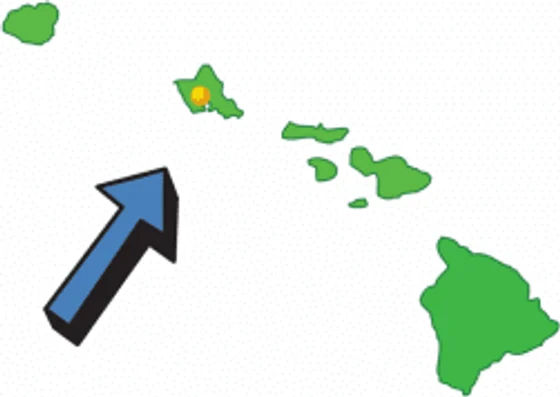
A globally focused small business addressing a local waste problem, in full view of the community it serves. Each year, 560 million tons of construction and demolition waste are landfilled in the U.S., more than twice the municipal solid waste generated annually, and these materials can be difficult to reuse. Aloha Carbon makes use of them possible.
From the Community
“Just want to say WOW! … I welcome your project to the community. It’s marvelous. Thank you!”Kioni Dudley, Kapolei Neighborhood Board Member, January 2022
“Just want to mahalo [thank] you … for trying to make things better. I’m 100% with you that your project would make a huge difference to the way we handle waste on island.”Makana Paris, Kapolei Neighborhood Board Chair, January 2022
C&D Waste
The Local Waste We Put Back to Work


The largest contributor to construction and demolition debris is waste wood. Roughly 40% of the stream is waste lumber and treated wood, which our process can use as a feedstock to make renewable products. Altogether we estimate halving the waste sent to Oʻahu's landfills.
Landfill Diversion
There are very few options to recycle and reuse construction and demolition debris in Hawaiʻi, so most of it still ends up in landfills. We also work to address the harms of waste hauling and disposal for the surrounding communities, which have traditionally had a higher population of lower-income and Native residents.
Clean Energy
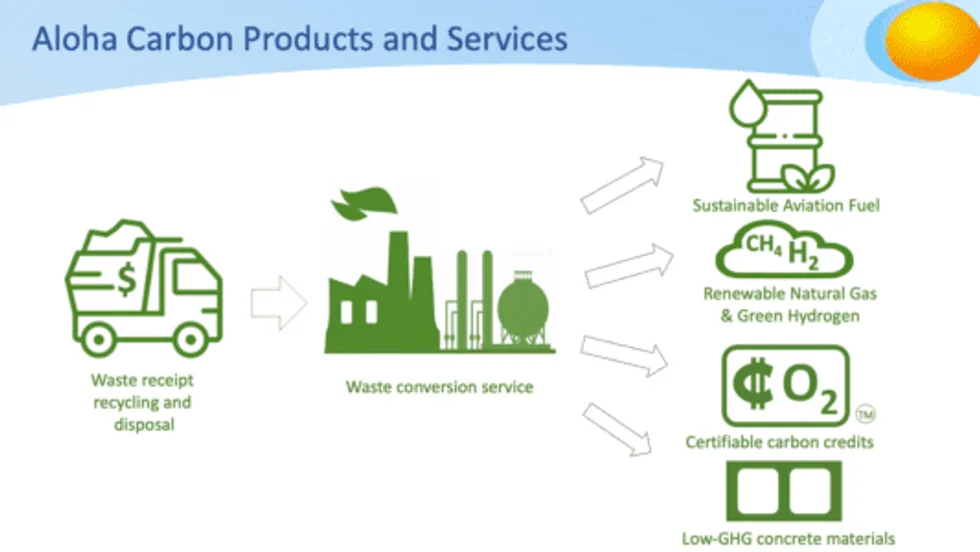
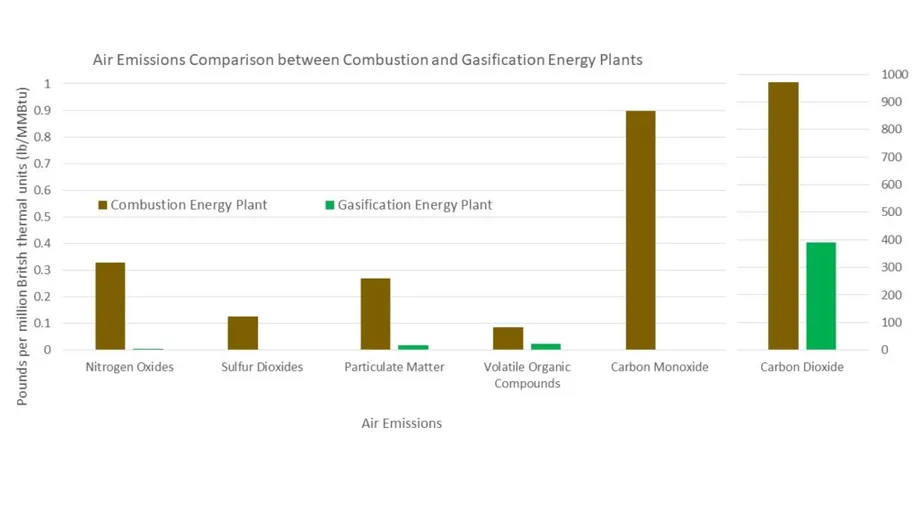
Using our novel gasification process, we safely handle the chemicals and heavy metals in C&D waste to produce renewable electricity, hydrogen, and Sustainable Aviation Fuel.
Greenhouse Gas Lifecycle
The hydrogen we make is nearly zero in lifecycle greenhouse-gas emissions, lower even than hydrogen from the electrolysis of water. An independent certification firm calculated our project would displace as much carbon dioxide as 100,000 acres of forest. See the Greenhouse Gas Analysis.

C&D Waste
C&D Waste Composition

These are the components of the construction and demolition waste stream. The largest single contributor is waste wood, and by diverting roughly 40% of the stream we can significantly reduce what is sent to the landfill.

Our Technology
An Integrated Gasification and Gas-Cleanup System for C&D Waste
We are developing an integrated feedstock-preparation, gasification, and gas-cleanup process that converts C&D debris and other high-impact solid wastes into cost-competitive bioenergy products: electricity, hydrogen, and Sustainable Aviation Fuel. Our proprietary techniques gasify C&D waste high in arsenic, boron, chromium, and lead, sequester those toxic heavy metals away from the syngas, and immobilize them in the ash to reduce leaching.
Green Jobs
A Growing Bioeconomy, Here at Home
The bioeconomy sector is growing across the U.S., and Aloha Carbon is part of it. That growth improves U.S. energy security, addresses environmental challenges, and creates new industries and employment for local communities.